Traditional Culture Font Review
Traditional Culture is a unique script font that blends elegance with warmth, making it an ideal choice for designers looking to add a touch of personality to their projects. Whether you're working on a logo, wedding invitation, or social media graphic, this font offers a soft and inviting feel that stands out in the Display category. If you're searching for "Traditional Culture free download" or "Traditional Culture font download," you'll find that this font is both visually appealing and highly versatile. Its delicate strokes and flowing lines make it perfect for a wide range of design applications.
Design & Style Analysis
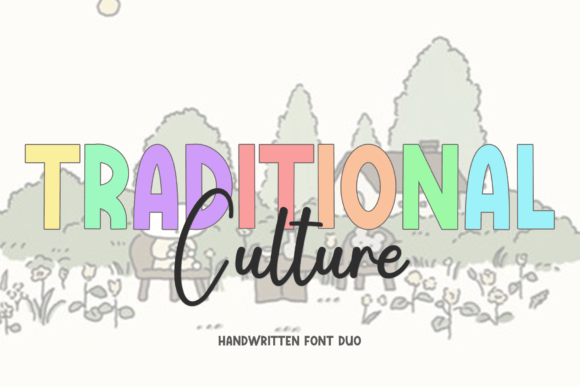
The visual personality of Traditional Culture is warm and approachable, with a hand-drawn aesthetic that adds character to any project. The font features a medium weight that balances readability with artistic flair, making it suitable for both large headlines and smaller text elements. Its spacing is well-proportioned, allowing it to work effectively in various layouts without appearing cramped or too loose.
Letterforms
The letterforms in Traditional Culture are designed with a natural flow, mimicking the look of handwritten script. Each character has subtle variations that give the font a personal and authentic feel. This makes it especially effective for designs that require a human touch, such as wedding invitations or custom branding materials.
Weight
With a medium weight, Traditional Culture strikes a balance between boldness and subtlety. It's not overly thick, which allows it to maintain legibility even at smaller sizes. This makes it a great option for headers, logos, and other display purposes where clarity is important.
Spacing
The spacing in Traditional Culture is carefully crafted to ensure that each letter sits comfortably within the overall composition. This attention to detail helps prevent overcrowding, especially when used in multi-line text. The font also includes ligatures that enhance its visual appeal, making it a top choice for designers who value both aesthetics and functionality.
Best Uses for Traditional Culture
Traditional Culture is incredibly versatile and can be used in a variety of design contexts. From branding to packaging, this font brings a sense of refinement and charm that can elevate any project. Here are some of the best uses for this font:
Traditional Culture for Logo Design
When designing a logo, the right font can make all the difference. Traditional Culture is an excellent choice for logos that aim to convey a sense of tradition, warmth, or creativity. Its elegant script style adds a personal touch that can help your brand stand out in a competitive market.
Traditional Culture for Branding
For branding projects, Traditional Culture offers a unique blend of professionalism and personality. It works well for businesses that want to communicate a sense of authenticity and craftsmanship. Whether you're creating a business card, website header, or promotional material, this font can help establish a cohesive brand identity.
Traditional Culture for Wedding Invitations
Wedding invitations often require a font that feels personal and heartfelt. Traditional Culture is perfect for this purpose, offering a soft and romantic aesthetic that complements the tone of a wedding. Its flowing lines and delicate details make it ideal for formal or semi-formal event invitations.
Font Pairing & Combinations
Pairing Traditional Culture with other fonts can enhance the overall design and create a more dynamic visual hierarchy. For example, combining it with a clean sans-serif font like Montserrat can add contrast while maintaining a modern feel. Another effective pairing is with a serif font like Playfair Display, which complements the elegance of Traditional Culture and creates a balanced look.
When considering "what fonts pair well with Traditional Culture," it's important to think about the mood and message you want to convey. A bold, geometric sans-serif might work well for a more contemporary design, while a classic serif could add a timeless quality. Experimenting with different combinations can help you find the perfect match for your project.
Traditional Culture font pairing is a key consideration for any designer looking to maximize the impact of their work. By choosing complementary fonts, you can create a more engaging and visually appealing design that captures attention and communicates your message effectively.
Licensing & Commercial Use
If you're wondering "is Traditional Culture free for commercial use," it's important to review the font license before using it in professional projects. While some versions of the font may be available for free, others may require a purchase or specific licensing terms. Always check the "Traditional Culture commercial use" guidelines to ensure compliance with the font's usage rights.
The "Traditional Culture font license" typically outlines the permitted uses, including personal and commercial applications. Understanding these terms will help you avoid any legal issues and ensure that your design work remains protected. For those looking for a "premium Display font," purchasing a license can provide additional benefits and support for the font creator.
How to Download & Use Traditional Culture
Downloading Traditional Culture is straightforward, with several platforms offering the font for "Traditional Culture free download" or "download Traditional Culture font free." Websites like CreativeFabrica, Google Fonts, DaFont, and FontSquirrel are popular sources for finding and downloading this font. Once downloaded, you can easily install it on your computer and start using it in design software like Canva, Word, or Photoshop.
Using Traditional Culture in design tools is simple, but it's essential to test it in different formats to ensure it meets your needs. For instance, if you're using it in Canva, you can upload the font directly and apply it to your design. In Photoshop, you can select the font from the list of installed typefaces and adjust the size and spacing as needed.
Designer Notes & Tips
As a designer, it's always a good idea to test Traditional Culture in different scenarios to see how it performs. For example, try using it in black and white to assess its readability and visual impact. You should also pay attention to how it looks at smaller sizes, as this can affect its overall appearance.
When comparing Traditional Culture vs similar fonts, consider factors like weight, spacing, and overall style. Some fonts may offer a more modern look, while others may have a more traditional feel. Choosing the right font depends on the specific needs of your project and the message you want to convey.
Finally, always review the spacing and alignment of your text when using Traditional Culture. Proper spacing can make a big difference in the overall look and feel of your design, ensuring that it's both aesthetically pleasing and easy to read.